
- February 10, 2026
- February 10, 2026
About Agentic AI: What You Need to Know as a Bank or Lender
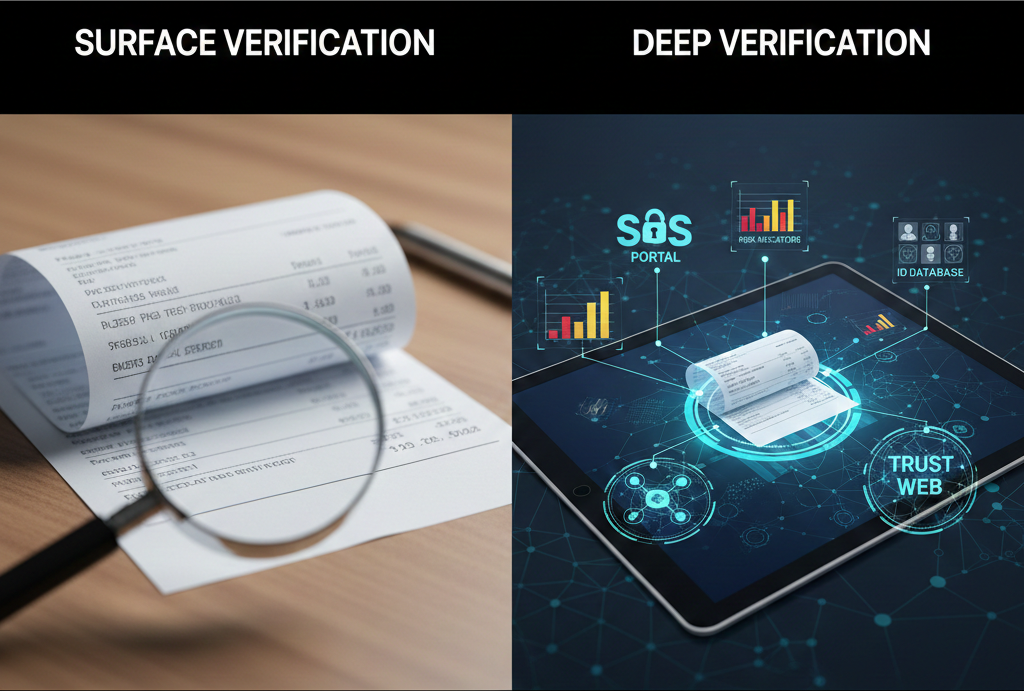
A loan officer at a consumer finance company in Manila reviews an application from a call center agent. Monthly income: ₱35,000. The applicant uploads a payslip PDF. An AI agent processes it automatically. Payslip verified. Income extracted. Loan approved in eight hours. Three months later, the loan defaults. The payslip was real—but it was from a side job the applicant worked for two months before applying. Her primary income? Half of what she claimed. The AI agent never cross-checked the payslip income against her SSS contribution history, which would have shown the discrepancy immediately. Here's the thing: you're not actually afraid of AI making decisions. You're afraid of AI making decisions based on data it never verified deeply enough in the first place. And as AI shifts from tool to agent—from something you ask to something that acts on your behalf—the question becomes: How do we give AI agents a trust baseline strong enough that they're not approving loans based on documents that look real but tell incomplete stories? I'm going to share what agentic AI actually is, why the trust problem in the Philippines (and markets like it) isn't about continuous monitoring—it's about verification depth at origination—and the infrastructure layer that makes AI decisioning defensible. What Agentic AI Actually Means (And Why Verification Depth Matters More Than Speed) Let's clear up the terminology first, because "agentic AI" sounds like something out of a tech keynote, not your lending operations in Quezon City. Here's the distinction that matters: AI as a tool: You ask it a question, it gives you an answer. You review a loan application, you ask the AI to extract data from a payslip, it returns the income figure. You're still deciding whether to approve. AI as an agent: It acts on your behalf. It extracts income from the payslip, cross-references it with government contribution records, checks for overleveraging signals across other lenders, verifies the borrower's identity through face matching, flags any blacklist warnings, and auto-approves or rejects the application—before a human loan officer ever sees it. The shift is from "Can we trust the AI's output?" to "Can we trust that the AI verified the inputs deeply enough before making the decision?" You're already seeing this in Philippine financial services: AI agents processing loan applications end-to-end for BPO employees, retail workers, and salaried staff AI agents auto-approving or rejecting based on extracted document data, risk scores, and identity verification AI agents flagging fraud patterns—multiple loan applications, blacklist matches, income-contribution mismatches The technology is deployed. The question is whether the verification depth underneath the AI is sufficient—or whether you're approving loans based on surface-level document checks that miss the fraud hiding in plain sight. Let me show you what happens when verification depth is too shallow. Before/After: The Overleveraging Blind Spot Before: A digital lender in Metro Manila used an AI agent to process loan applications. The agent extracted data from uploaded payslips using OCR, verified government IDs with face matching, and calculated debt-to-income ratios based on declared income. Processing time dropped from 48 hours to 6 hours. Approval rates climbed from 58% to 74% as borrowers no longer abandoned applications during l
- February 10, 2026
- February 10, 2026
- October 15, 2025
- October 15, 2025
Smile API Philippines: Employment & Income Verification
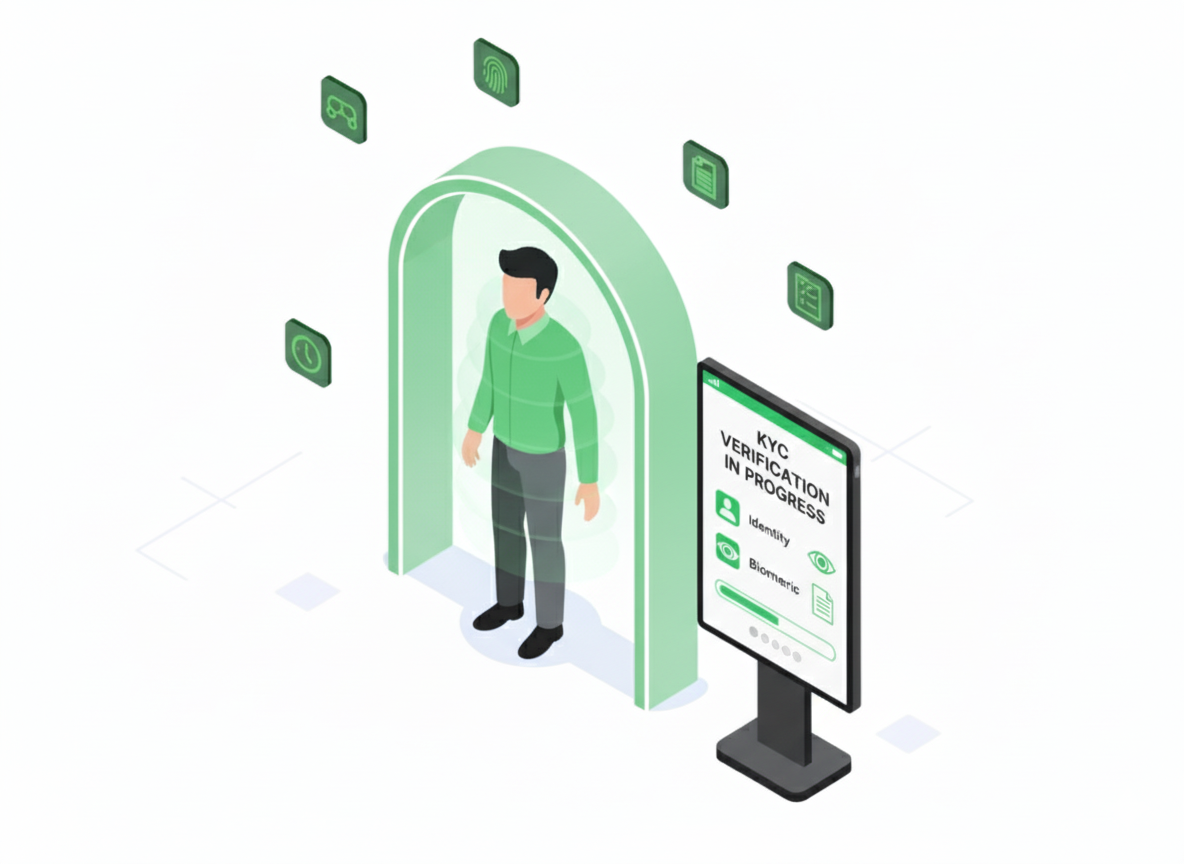
In a world becoming more digital each day, Smile API opens doors for every Filipino—enabling faster services, easier transactions, and smarter ways to work, connect, and thrive. By bridging individuals, businesses, and institutions through secure, real-time APIs, Smile empowers people to participate in a future where technology serves everyone. It’s about inclusion, innovation, and dignity—giving every Filipino the tools to smile at what’s next. Building Digital Bridges: How APIs Help Filipinos Bring the Future Today The same technology powering top apps abroad can make life easier for every Juan and Maria here at home. With the right APIs, routine verification and paperwork can become instant, secure, and digital—unlocking access to jobs, financing, and essential services. Life in Long Lines Maria, a working mom, knows the struggle. When she applied for a housing loan, she had to visit several offices, bring the same stack of documents to each one, and wait weeks just to get updates. “Parang paikot-ikot lang,” she sighed. “Kung puwede lang sana na isang click na lang lahat.” That frustration is one millions of Filipinos share. From getting government IDs to applying for benefits, services are often slow, repetitive, and paper-heavy. But what if the answer is already in our hands—and in our phones? The Magic Behind Everyday Apps: What Is an API? An API—short for Application Programming Interface—sounds technical, but it powers everyday experiences. Every time you book a ride, pay with an e-wallet, or log in using a social account, you’re using an API. In simple terms, an API is a secure digital bridge that lets different systems talk to each other instantly and reliably. Think of an API like a small gate between two neighbors’ backyards: instead of walking the long way around, they can share what’s needed quickly and safely. That’s the experience modern services aim to deliver across both government and private sectors. If you’re building or modernizing services in the Philippines, Smile offers a single, secure connection for verified identity, employment, and income data—learn more on the Smile API platform and platform overview. How the World Is Doing It United Kingdom – Faster tax filing via HMRC APIs that connect businesses directly to government (HMRC Developer Hub). Singapore – One digital identity (SingPass) to access government and private services—safe, simple, and seamless (SingPass). Japan – The My Number system links tax, health, and social services without resubmitting the same documents (My Number Card). Thailand – APIs connect agencies with private companies, making transactions smoother and more transparent (Digital Government Development Agency). Vietnam – Citizens can register businesses or access healthcare online, cutting bureaucracy and delays (National Public Service Portal). Ultimately, APIs aren’t just about technology—they give people more time, more convenience, and more dignity. The Philippine Opportunity: From eGov to Real-Time Verification Here at home, the eGov PH Super App is a step in the right direction—bringing government services into one place (DICT). To truly unlock its promise, APIs must sit at the core. Imagine Maria’s housing loan again. Instead of going around offices, her Pag-IBIG Fund contributions, PhilHealth records, and employment details co
- October 15, 2025
- October 15, 2025
- August 26, 2025
- August 26, 2025
How Consumer-Consented Data is Transforming Credit Access
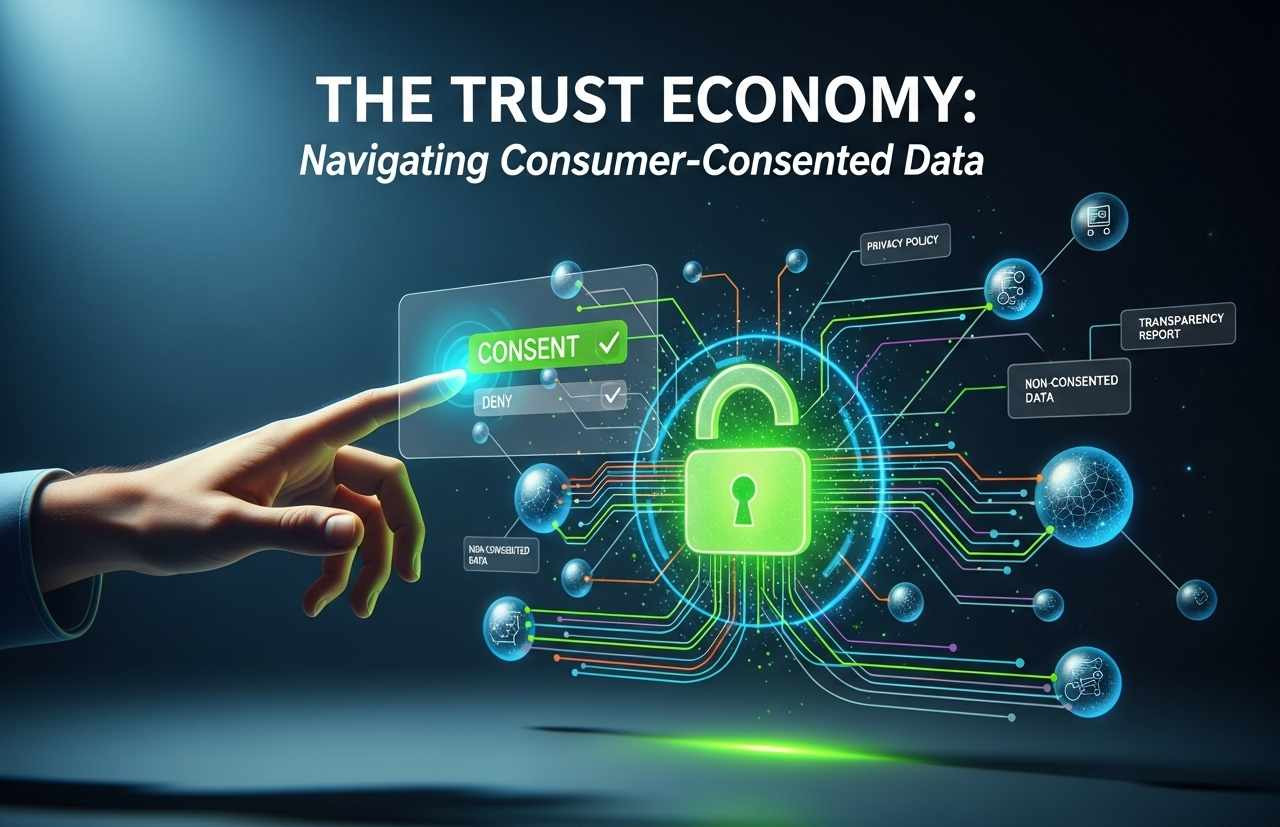
In today's rapidly evolving financial landscape, a significant challenge persists: millions of individuals struggle to access essential credit services due to limited or non-existent traditional credit histories. Conventional assessment methods often overlook vast segments of the population, leaving behind potential borrowers who simply don't fit the mold of established financial records. But what if there was a better way? What if individuals could actively participate in demonstrating their financial reliability? Enter consumer-permissioned data – a groundbreaking approach that is democratizing credit access and providing a far more holistic view of an individual's true financial standing. - Understanding Consumer-Consented Data in Credit Decisioning Consumer-permissioned data represents a true paradigm shift in credit assessment. Unlike traditional credit scoring, this innovative approach empowers individuals to voluntarily share diverse, real-time financial information directly with lenders. Key data sources can include: Identity verification through secure digital platforms Comprehensive employment history Real-time income updates Detailed transaction patterns Alternative bill payment history The Consent Framework: Your Data, Your Control The core strength of this approach lies in its transparent and user-controlled consent mechanism. It's all about empowering the individual. With consumer-permissioned data, people can: Easily opt-in with a lightweight, user-friendly process. Maintain complete control over precisely which information is shared. Revoke access at any time, ensuring ongoing privacy. Benefit from data portability across various platforms. This isn't just about data collection; it's about building trust and putting the user in the driver's seat of their own financial data. How Alternative Data Transforms Credit Underwriting The impact of consumer-permissioned data extends far beyond traditional credit assessment, ushering in a new era of efficiency and accuracy. Data Processing and Risk Assessment: Advanced technologies are revolutionizing how this alternative data is processed: Standardization: Diverse data sources are seamlessly integrated and standardized. Real-time Refreshing: Information is continuously updated, providing the most current picture. Machine Learning: AI-powered risk indicators offer deeper insights. Intelligent Combination: Alternative data is intelligently combined with traditional data for a comprehensive view. Underwriting Innovations: This leads to tangible improvements for financial institutions: Dynamic Risk Scoring: Models adapt to real-time changes, offering more precise assessments. Faster Decisions: Credit decisions are made significantly quicker, improving customer experience. Accurate Credit Limits: More precise credit limit determinations are possible. Enhanced Segmentation: Better understanding of customer segments allows for tailored financial products. Leading the Charge: How Smile API Makes it Possible This is where the vision of consumer-permissioned data becomes a reality. Smile API is at the forefront of this revolution, providing the essential infrastructure to seamlessly access and verify crucial employment and income data directly from the source – all with the user's explicit consent. Smile API empowers lenders to: Reach the Underserved: Open doors to previous
- August 26, 2025
- August 26, 2025

- April 21, 2025
- April 21, 2025
Could Global Trade Wars Unexpectedly Power Up the Philippine Economy?
When we hear "trade war," it often conjures images of choppy economic waters: uncertainty, disrupted supply chains, and rising costs. These concerns are real, but the complex dynamics of global trade shifts can also create unexpected winners, including perhaps the Philippine economy. Amidst the ongoing skirmishes over trade and rising geopolitical tensions, including new sweeping tariffs announced by United States President Donald Trump, could the Philippines be strategically positioned to benefit? With varying tariff rates impacting countries across Southeast Asia, global companies are already rethinking where they do business. This post explores how these worldwide trade conflicts might actually channel new investment and manufacturing opportunities towards the Philippines, potentially leading to a significant uptick in hiring across various sectors. Let's dive into the specific factors driving this potential boom and examine how businesses operating in or looking at the Philippines can navigate the accompanying challenges, including the crucial need for efficient and reliable hiring processes. Trade Diversification: Shifting Production, Creating Jobs The Philippines stands to gain from the ripple effects of trade wars, new tariff rates, and the resulting push for diversification. Here’s how: Trade Diversification Opens Doors: As countries engage in trade disputes and impose tariffs, businesses are actively seeking alternative manufacturing locations to mitigate risks and costs. With its strategic location in Southeast Asia, the Philippines offers a favorable environment for companies looking to diversify their production bases away from heavily targeted regions. This shift is already leading to increased foreign direct investment (FDI), particularly in sectors like electronics, garments, and automotive parts – areas crucial to the Philippine economy. Investment Opportunities Emerge: Trade tensions create gaps in established supply chains that countries like the Philippines are well-placed to fill. Companies are on the hunt for reliable partners and stable locations for manufacturing and service operations. This influx of capital doesn't just boost the economy; it directly stimulates job creation and growth. Key Industries Get a Boost: The Philippines has built a strong foundation in industries like electronics manufacturing and Business Process Outsourcing (BPO). Ongoing trade conflicts can encourage multinational corporations to relocate or expand their operations within the archipelago, directly fueling job growth in these key sectors. Furthermore, as global supply chains are redrawn, the demand for robust logistics and supply chain management roles is also expected to increase, requiring companies to optimize their operations. Government Support Paves the Way: The Philippine government plays a pivotal role in maximizing these opportunities. By offering attractive investment incentives, streamlining regulations, and investing in critical infrastructure – like ports, roads, and digital connectivity – the government is actively working to create a more conducive environment for businesses to thrive and contribute to the country's attractiveness as a manufacturing hub. Building Resilience Against Economic Shocks: Diversifying trade partners helps the Philipp
- April 21, 2025
- April 21, 2025

- December 19, 2024
- December 19, 2024
How Background Checks Prevent Hiring Biases: Ensuring Fairness in the Workplace
Key Takeaways: Background checks mitigate hiring biases by providing objective data. Pre-employment screening fosters a more diverse and inclusive workforce. Reference checks verify candidate information and reduce reliance on gut feelings. Background checks contribute to a safer and more productive work environment. Fairness in HiringFairness in hiring is not just an ethical imperative; it’s a business necessity. Building a high-performing team requires objective evaluation and a commitment to selecting the most qualified candidates, regardless of background. Unfortunately, hiring biases, whether conscious or unconscious, can significantly impede this process, leading to suboptimal hiring decisions and potentially fostering a discriminatory work environment. Background checks play a crucial role in minimizing the impact of these biases and promoting a fair and equitable hiring process. Hiring biases can manifest in various forms, from affinity bias (favoring candidates similar to oneself) to confirmation bias (seeking information that confirms pre-existing beliefs). These biases can lead to overlooking highly qualified candidates simply because they don't fit a preconceived mold. Background checks help mitigate these biases by providing verifiable, objective data about a candidate's qualifications, work history, and other relevant information. By focusing on concrete facts rather than subjective impressions, employers can make more informed and impartial hiring decisions.The Importance of Background Checks Pre-employment screening, including background checks, reference checks, and criminal record checks, allows employers to assess candidates based on consistent criteria. This standardized approach ensures that all applicants are evaluated fairly, reducing the influence of personal biases. Moreover, background checks promote transparency in the hiring process, demonstrating to both candidates and stakeholders that the organization is committed to a merit-based system. Reference checks are a vital component of pre-employment screening, allowing employers to gain valuable insights into a candidate's past performance and work ethic. By speaking directly with former supervisors and colleagues, hiring managers can obtain a more complete picture of a candidate's strengths and weaknesses, verifying the information provided by the candidate and reducing reliance on potentially biased gut feelings. This process helps ensure that hiring decisions are based on factual evidence rather than subjective interpretations. Beyond promoting fairness, background checks also contribute to a safer and more productive work environment. By screening for criminal history, employers can mitigate risks associated with workplace violence and theft. Furthermore, verifying educational credentials and employment history helps ensure that employees possess the necessary skills and experience to perform their jobs effectively. This ultimately benefits the organization as a whole, improving productivity, reducing turnover, and fostering a culture of trust and integrity.How Smile Checks can Help Smile Checks can assist in reducing hiring biases by providing a comprehensive and objective approach to background checks. Our service offers real-time access to verified employment and income data from authoritative sources, ensuring that hiring decisions are based on accurate and unbias
- December 19, 2024
- December 19, 2024