

- February 18, 2024
- February 18, 2024
A Guide to Automated Loan Underwriting for Philippine Lenders
Manual and fragmented loan underwriting processes are becoming outdated in the digital era. Automating underwriting using data, algorithms and APIs is proving to be a game changer for lenders. In this guide, we explore how Philippine lenders can implement automated underwriting to make faster, better credit decisions while reducing costs. Why Automate Underwriting? Here are some major benefits automated underwriting offers: Faster Application Processing Manual underwriting can take weeks, with extensive document verification and risk assessment delays. Automated systems slash turnaround times through instant data access and algorithmic approvals. Improved Risk Modeling Traditional scorecards are static and rely on limited variables. Automated underwriting allows dynamic risk models that can continuously improve over time. More data also enables better default predictions. Lower Operational Costs Manual underwriting requires extensive staffing. Automation cuts overheads through fewer document checks, reduced human errors and streamlined workflows. Expanded Lending Reach Traditional underwriting leaves thin-file segments underserved due to lack of bureau history. But alternative data allows assessment of gig workers, new-to-credit applicants and more. Enhanced Borrower Experience Manual underwriting often involves extensive paperwork and waiting. Automated real-time decisions provide a seamless experience for tech-savvy customers. The ROI potential from automated underwriting makes it a must-have capability for lenders today. Machine Learning for Credit Risk At the core of automated underwriting are machine learning algorithms that can predict default risk and income volatility. Machine learning models leverage large datasets to identify complex patterns between hundreds of variables. This allows more accurate credit decisions for both traditional and alternative applicant profiles. For instance, neural networks can detect non-linear relationships and interdependencies between various attributes. This results in robust credit risk classification for thin-file consumers with minimal bureau history. With automated underwriting, risk models continuously self-improve driven by the underlying algorithms. This creates a true competitive edge that keeps growing over time. The Power of APIs and Real-Time Data - Automating underwriting requires seamless connectivity to multiple data sources from credit bureaus to government agencies. Open APIs allow platforms to share information instantly based on user permissions. This removes friction and delays involved in manual data gathering. Employment data APIs like Smile enable direct integration of payroll, tax and workforce data into underwriting engines. This provides real-time income verification capabilities missing in traditional systems. As machine learning models become more sophisticated, the need for real-time, high-quality data increases. APIs are the enablers that allow underwriting automation at scale. Reducing Manual Employment Verification Verifying applicant employment history and income is crucial but time consuming in manual underwriting. Automated verification through payroll and workforce data APIs eliminates paperwork and manual diligence. Lenders gain instant access to comprehensive payroll records and tax documents. Applicants also benefit from paperless onboarding. Instant income checks using bank statement data fu
- February 18, 2024
- February 18, 2024

- January 22, 2024
- January 22, 2024
Smile API, Atome Partner to Enhance Shopping and Payment Experience in the Philippines
MANILA, PHILIPPINES, January 22, 2024 - Smile API, a leading infrastructure provider that offers real-time access to comprehensive income and employment data, has announced a data partnership with Atome, Southeast Asia's leading digital financial services platform.The data partnership is set to enhance the customer onboarding and payment experience in the Philippines through greater financial inclusivity and data-driven decision-making."By partnering with Atome, we aim to improve shopping and payment options for people in the Philippines and the wider Southeast Asian region," said Jerome Eger, CEO of Smile API. "In this part of the world, many individuals can live without a bank account but not without a job. In this way, they can approve access to credit for those who might have been left out by traditional credit rating methods, which still rely heavily on data coming from bank accounts and credit cards, making shopping easier and more convenient for those who really need it.Through the use of data from a variety of sources such as employment documents, HR and payroll systems, gig platforms, and social security systems, Smile API makes it possible for Atome to strengthen credit decisioning, resulting in an easy and pleasant shopping experience for consumers in the Philippines.Through this data partnership, Smile API and Atome will provide consumers in the Philippines with more accessible, convenient, and inclusive access to credit.###About Smile APISmile API is a leading provider of employment data for credit decisions. The company provides lenders with employment data from multiple platforms, all through a single API, enabling lenders to make better decisions, increase adoption and conversion, reduce costs, and lower risks.About AtomeAtome is Southeast Asia's leading digital financial services platform, evolving from a buy now pay later and embedded financing platform into a comprehensive provider of digital financial services that includes insurance, cards and loans in various markets. Leveraging its unique expertise in risk-managed credit and responsible financing, Atome is committed to enhancing digital and financial inclusion through technology. Atome is part of Singapore-headquartered Advance Intelligence Group, an AI-driven technology company that consists of an ecosystem of AI-powered, credit-enabled products and services that includes consumer financing, digital identity verification and risk management, as well as enterprise resource planning software.---For more details about Smile API, contact Bianca Ulan, Marketing Director, email: info@getsmileapi.com.
- January 22, 2024
- January 22, 2024
- January 9, 2024
- January 9, 2024
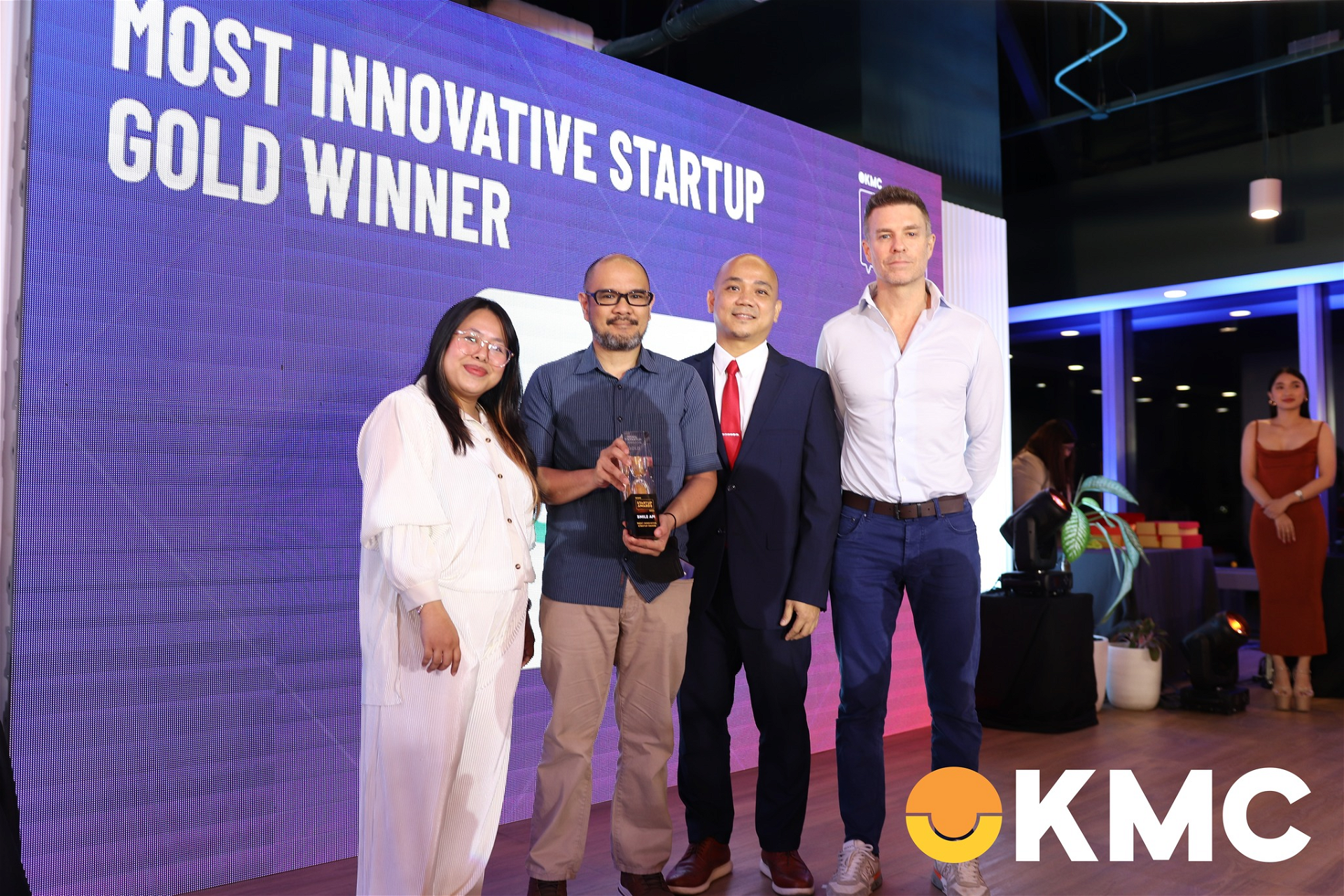
Smile API Wins Most Innovative Startup at KMC Awards 2023
Financial technology frontrunner, Smile API, clinched the prestigious Gold Prize for Most Innovative Startup of the Year at the KMC Solutions Startup Awards held last November 24, in Makati City, Philippines. This accolade underscores Smile API's groundbreaking efforts to enhance financial access throughout Asia, starting with the Philippines. The KMC Startup Awards spotlight companies that are trailblazing in their respective industries. For Smile API, this recognition validates its innovative approach to addressing financial exclusion, a critical issue affecting over 1.7 billion adults globally. Smile API is on a mission to transform the landscape by enabling underbanked groups to securely share their financial information with lenders. Through integration with income statements, payroll systems, and other sources, Smile API provides real-time verified profiles. This empowers lenders to make informed decisions and extend financial services to underserved communities. Jerome Eger, CEO of Smile API, expressed his excitement about winning the award, stating, "This recognition endorses our team's innovative thinking and technological approach to driving financial inclusion. We are honored that our work to expand economic access through secure data sharing is being celebrated." Eger emphasized the enormity of the financial exclusion problem in Asia and noted, "Winning Most Innovative Startup tells us we are on the right path in using technology to increase access to loans, savings, insurance, and other essential financial services." The KMC Startup Awards, co-presented annually by Bossjob, aim to recognize excellence and innovation among Philippine startups. The event serves as a platform for trailblazing startups like Smile API to gain exposure, credibility, and valuable connections with potential investors and partners. For Smile API, being named Most Innovative Startup is a testament to its technological prowess and social impact. This award comes as a resounding endorsement of the company's commitment to driving positive change in the financial sector. As Smile API joins the ranks of exemplary startups recognized for excellence, it acknowledges the KMC Startup Awards as a pivotal moment. The recognition received will undoubtedly fuel Smile API's commitment to innovation and growth, furthering its mission to provide accessible financial services across Asia. Smile API expresses gratitude for the opportunity to showcase its work in expanding financial inclusion before esteemed judges and peers within the dynamic Philippine startup ecosystem. The Most Innovative Startup award at KMC Startup Awards 2023 marks a significant milestone in Smile API's journey to empower millions with economic access and mobility. Looking ahead, Smile API is eager to continue disrupting the financial services landscape through cutting-edge technology and an unwavering vision. The KMC Startup Awards 2023 stand as a testament to Smile API's dedication to making a lasting impact on the financial well-being of communities across Asia.
- January 9, 2024
- January 9, 2024

- October 23, 2023
- October 23, 2023
The Smile API Podcast Features Xavier Peh of Atome on Maintaining a Competitive Edge in Fintech
Manila, Philippines – The Smile API Podcast, hosted by Smile's CEO Jerome Eger, is excited to announce a new episode featuring Xavier Peh, a seasoned professional with over a decade of experience in regional payments, technology, and financial services. Xavier Peh's career spans reputable companies such as Visa, Grab, Binance, and his current position as a key member of the card payments commercial team at Atome, based in Singapore. Xavier Peh's diverse background in the fintech sector raises the question: What does it take to be a successful Business Development (BD) manager in the dynamic fintech industry? In this episode, Xavier shares his insights and experiences that have contributed to his success as a BD manager. Atome, an emerging leader in the Buy Now, Pay Later (BNPL) space, is at the forefront of innovation and customization in the financial services sector. During the podcast, Xavier discusses Atome's use of artificial intelligence (AI) to transform and tailor financial services for the benefit of its customers. He also talks about how the BNPL model offered by Atome caters to the evolving needs of consumers, highlighting the contrast with traditional credit models in an ever-changing financial landscape. In the rapidly evolving fintech industry, maintaining a competitive edge is essential. Xavier sheds light on the strategies employed by Atome to ensure they remain at the forefront of the market. These insights are sure to inspire and guide aspiring fintech companies. One of Atome's notable achievements is its ability to operate successfully in diverse markets. Xavier provides valuable insights into how the company tailors its strategies to promote financial inclusion and improve financial literacy in these distinct regions. He also shares a compelling success story of Atome's contribution to enhancing financial inclusion. Balancing the convenience of credit accessibility with responsible spending is a critical concern in the fintech industry. Xavier shares how Atome navigates this challenge, ensuring that financial services are accessible without compromising consumer financial well-being. The podcast also discusses Atome's credit risk assessment process, how it varies across different regions, and the role of employment data in ensuring reliable and secure credit assessments. In the context of a rapidly changing regulatory landscape, Xavier talks about the challenges that Atome has faced and how the company has successfully navigated regulatory complexities in different countries. Additionally, he provides insights into Atome's vision for the future of fintech, offering a glimpse into how the company plans to contribute to the industry's evolution over the next five years. The Smile API Podcast is thrilled to bring these intriguing discussions to its listeners, offering an opportunity to gain insight into the world of fintech, BNPL, AI, and financial inclusion from a distinguished expert like Xavier Peh. Listeners can tune in to this episode through Smile's Facebook, YouTube, and Spotify pages. ### About Smile API Smile API is a platform that offers user-authorized access to recent, comprehensive, and verified employment data, all with a user's consent. With Smile, information is readily accessible in real-time, consolidating data from various sources through a single API. About Atome Atome is Southeast Asia's leading digital consumer fin
- October 23, 2023
- October 23, 2023

- August 21, 2023
- August 21, 2023
Navigating Data Privacy in Credit Underwriting
Privacy. In today’s increasingly digital world, it’s a paramount concern, especially when it comes to sensitive financial information. Credit underwriting, the process of assessing the creditworthiness of borrowers, relies heavily on data. Balancing the need for accurate credit assessments with the individual’s right to data privacy is crucial, particularly in the rapidly expanding digital lending landscape. This article explores how the Philippines’ Data Privacy Act of 2012 (RA 10173) sets a robust framework for ethical data collection, ensuring responsible credit underwriting and digital lending practices. The Philippines' Data Privacy Act has significantly transformed the landscape of data collection and processing. This legislation mandates the ethical and responsible handling of personal information, impacting various sectors, especially the financial industry. For credit underwriting and digital lending, this means a fundamental shift in how data is collected, used, and protected. Lenders must now prioritize transparency and obtain explicit consent from borrowers before collecting their data. The law also grants individuals specific rights concerning their data, including the right to access, correct, and delete their information. Implementing Best Practices for Data Privacy in Credit Underwriting Adhering to the Data Privacy Act is not merely a matter of legal compliance; it also builds trust with borrowers and fosters a healthier financial ecosystem. Here are some best practices for lenders navigating the requirements of the Act: Transparency and Consent: Lenders must clearly articulate what data is being collected, why it’s needed, and how it will be used. Borrowers must provide explicit consent for the collection and use of their data. Data Minimization: Only collect data that is absolutely necessary for the credit assessment. Avoid collecting extraneous information that is not relevant to the lending decision. Purpose Limitation: Data collected for credit underwriting should only be used for that specific purpose. It should not be repurposed for marketing or other activities without explicit consent. Data Security: Implement robust security measures to protect collected data from unauthorized access, use, disclosure, disruption, modification, or destruction. This includes encryption, access controls, and regular security assessments. Data Retention: Establish clear data retention policies. Data should only be retained for as long as it is necessary for the purpose for which it was collected. Access and Correction: Provide borrowers with access to their data and allow them to correct any inaccuracies. Accountability: Designate a data protection officer responsible for overseeing compliance with the Data Privacy Act. Impact of the Data Privacy Act on Digital Lending in the Philippines The Data Privacy Act has had a profound impact on the digital lending landscape in the Philippines. It has fostered greater transparency and accountability among lenders, leading to improved consumer protection. While the regulations may present some initial challenges for lenders in terms of compliance, the long-term benefits are significant. By adhering to the Act, lenders can build trust with borrowers, enhance their reputation, and contribute to a more sustainable and responsible digital lending ecosystem. The Act has also encouraged innovation by promoti
- August 21, 2023
- August 21, 2023

- August 4, 2023
- August 4, 2023
Enhancing Efficiency and Accuracy: Smile's New OCR Feature Revolutionizes Income Document Scanning
In the era of digital transformation, Smile API has consistently been at the forefront of empowering businesses with comprehensive employment and income data solutions. As the trusted source for employment data in Asia, Smile has recently unveiled its groundbreaking new product, which expands its capabilities in Optical Character Recognition (OCR). This cutting-edge OCR feature enables the seamless scanning and extraction of crucial information from income documents such as payslips and tax returns. In this blog post, we'll explore the immense value of OCR in the digitalization of source documents and delve into the benefits it brings to pre-employment screening, loan origination, underwriting, and other critical use cases where the validation of a person's income is of paramount importance. Streamlining Pre-Employment Screening The process of pre-employment screening plays a vital role in ensuring organizations hire the right individuals. With Smile's OCR technology, HR departments and background checkers can effortlessly validate an individual's income by scanning and extracting relevant details from income documents. This automated and efficient approach not only saves significant time but also minimizes errors and inaccuracies that may arise from manual data entry. As a result, employers can make faster and more informed decisions, streamlining their recruitment process while enhancing the overall candidate evaluation process. Revolutionizing Loan Origination and Underwriting In the realm of fintech lending, the ability to make accurate credit decisions is crucial for both lenders and borrowers. Smile's new OCR feature enables lenders to access and evaluate income documents rapidly, ensuring a seamless loan origination process. By automating the extraction of income information, lenders can assess an individual's financial stability with greater speed and accuracy. This enhanced efficiency not only expedites the loan approval process but also mitigates the risk of fraudulent activities. Additionally, the extracted data can be seamlessly integrated into underwriting models, further strengthening the evaluation of creditworthiness. Efficiency and Accuracy in Various Use Cases Beyond pre-employment screening and loan origination, Smile's OCR feature brings significant benefits to numerous industries and use cases. In the realm of insurance, for instance, the ability to validate an individual's income through accurate scanning of relevant documents streamlines policy application and claim verification processes. Government agencies can leverage this technology to efficiently verify income information for social welfare programs, ensuring the appropriate allocation of resources. Real estate and rental agencies can expedite the tenant screening process by accurately assessing an individual's income stability, reducing the risk of default or missed payments. Conclusion As Smile API launches its revolutionary OCR feature for scanning income documents, the digitalization of source documents such as payslips and tax returns becomes more efficient, accurate, and convenient. The benefits of OCR technology in pre-employment screening, loan origination, underwriting, and various other use cases are undeniable. By automating the extraction and validation of income information, Smile empowers businesses to make better credit decisions, hire faster and more effectively, and str
- August 4, 2023
- August 4, 2023