

- May 18, 2023
- May 18, 2023
Unlocking Hidden Insights: Using Alternative Credit Data for Credit Decision Making and Underwriting
In today's rapidly evolving financial landscape, assessing creditworthiness accurately and efficiently is more critical than ever. Traditional credit scoring models, while useful, often provide a limited picture of an individual's financial health. This is where the power of alternative credit data comes into play, offering lenders a deeper understanding of potential borrowers and ultimately leading to more informed credit decisions. By leveraging these hidden insights, financial institutions can unlock new opportunities, mitigate risks, and expand access to credit for a wider range of individuals. What is Alternative Credit Data? Alternative credit data refers to non-traditional data sources used to assess an individual's creditworthiness. Unlike traditional credit reports, which primarily rely on credit card and loan repayment history, alternative data encompasses a broader spectrum of financial information. This can include: Bank Transaction Data: Analyzing spending patterns, income regularity, and average account balances. Bill Payment History: Tracking on-time payments for utilities, rent, and other recurring expenses. Mobile Phone Usage: Assessing phone usage patterns and bill payment history. Income and Employment Data: Verifying income information and employment history. Online Activity: Analyzing social media presence and online shopping behavior (with user consent). The Benefits of Using Alternative Credit Data Integrating alternative credit data into credit underwriting and decision-making processes offers numerous advantages for both lenders and borrowers: Enhanced Accuracy: Alternative data provides a more holistic view of an individual's financial situation, leading to more accurate credit risk assessments. Improved Financial Inclusion: Individuals with limited or no traditional credit history can be evaluated based on their alternative data, expanding access to credit for underserved populations. Reduced Risk of Defaults: By leveraging a wider range of data points, lenders can identify potential risks earlier and reduce the likelihood of nonperforming loans. Faster Credit Decisions: Automated analysis of alternative data enables faster loan approvals and streamlined underwriting processes. Personalized Loan Offers: Alternative data can be used to tailor loan products and interest rates to individual borrowers, offering more personalized financial solutions. How Alternative Credit Data is Used in Underwriting Alternative credit data can be integrated into the underwriting process in several ways: Supplementing Traditional Data: Alternative data can be used to fill in gaps in traditional credit reports, providing a more complete picture of an applicant's financial history. Validating Information: Data from alternative sources can be used to verify information provided by the applicant, ensuring accuracy and preventing fraud. Developing Custom Scoring Models: Lenders can develop proprietary scoring models that incorporate alternative data, tailoring risk assessments to specific lending products. Automating Decision-Making: Alternative data can be used to automate loan approval decisions, streamlining the underwriting process and reducing manual review. Example Alternative Credit Data: Using Employment DataSmile API can significantly enhance credit underwriting and decision-making by providing real-time, user-permi
- May 18, 2023
- May 18, 2023
- May 12, 2023
- May 12, 2023
Smile API Emerges as First Runner-Up at SaaScon PH's Impact '23 Accelerator Program
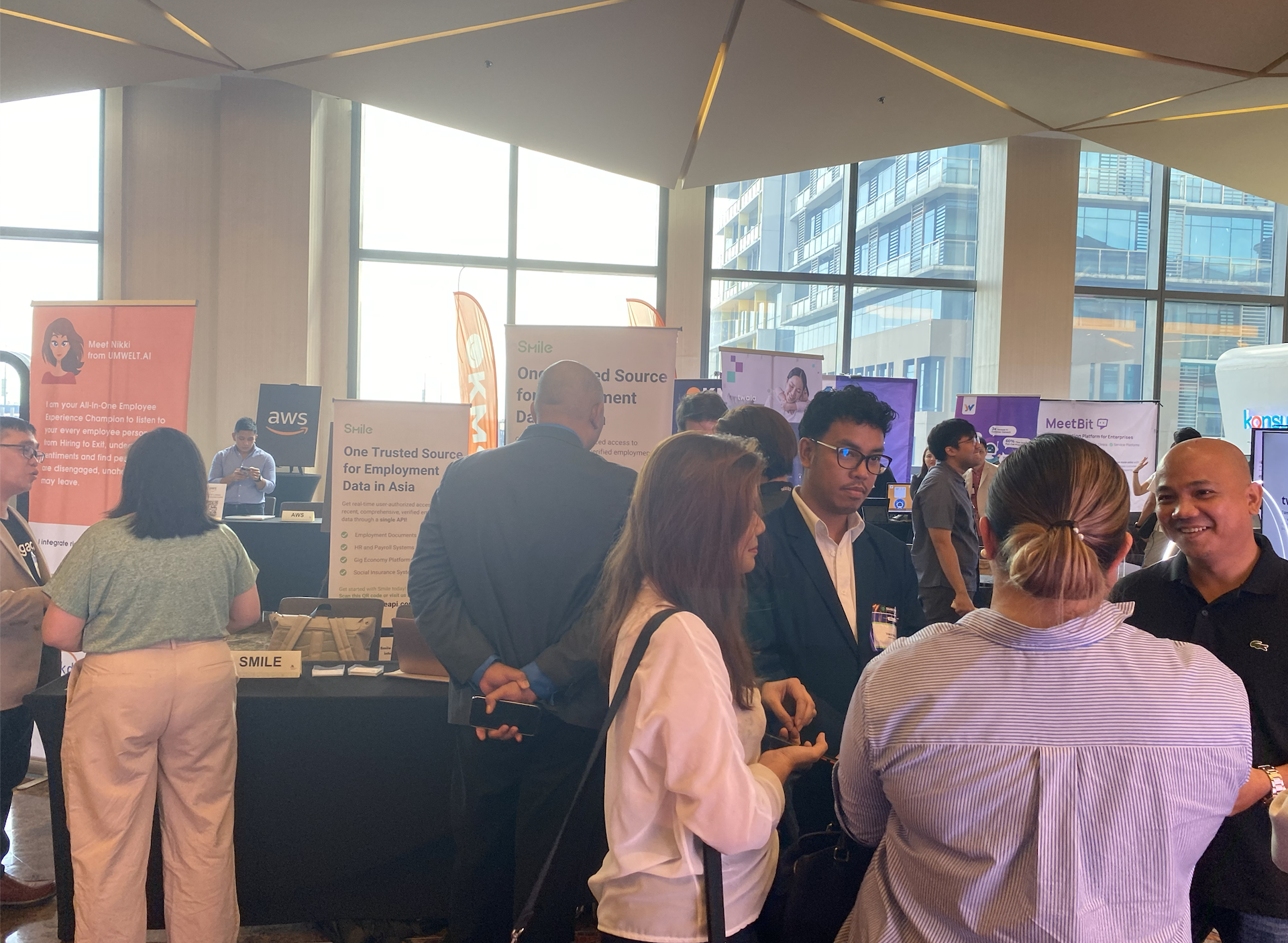
The atmosphere at SaaScon PH 2023, the country's largest SaaS conference, was vibrant and filled with industry leaders, visionaries, and tech enthusiasts. They were all eager to delve into the future of the rapidly growing SaaS and tech industry in the country. This year's event, held on March 28, 2023, at the Marriott Grand Ballroom, focused on how SaaS adoption could catalyze digital transformation in Philippine businesses. The conference provided valuable insights and opportunities for companies to streamline operations and boost productivity. The eight-week challenge, hosted by Sprout and Kaya Founders, brought together Filipino innovators who collaborated and pitched their groundbreaking SaaS ideas. One of the event's highlights was the presentation of the top three startup pitches of Impact '23. Our CPO, Jan Pabellon, was the first runner-up in the esteemed Accelerator Program. Jan pitched Smile’s solution for doing pre-employment background checks quickly and easily by using digital methods to enable candidates to share their data with their new employer and with their consent. - Impact ‘23 judges recognized the immense potential of Smile API's background check solution for employers. By seamlessly gathering a candidate’s employment and income data, Smile empowers human resource professionals and hiring managers with comprehensive and verified insights needed to make informed decisions about their new hires. The second runner-up, Umwelt.AI, presented Nikki—an all-in-one AI HR officer. Nikki is a chatbot designed to provide round-the-clock support to employees, just like a human HR officer. Olivia Technology Group Inc. took home the grand prize with their winning app that can scan and digitize receipts. Their solution helps HR departments and employees streamline their reimbursement and liquidation process. The Impact '23 Accelerator Program indeed was a great success, with Smile API emerging as the first runner-up. The pitch competition showcased some of the brightest and most innovative minds in the Filipino SaaS industry. It was inspiring to see how these startups are leveraging technology to solve real-world problems and drive digital transformation in businesses. SaaScon PH 2023 served as a great platform to connect with industry leaders, share ideas, and learn about the latest trends and innovations in the SaaS space. We look forward to the next edition of SaaScon PH and the continued growth of the SaaS industry in the Philippines.
- May 12, 2023
- May 12, 2023

- April 24, 2023
- April 24, 2023
The Smile API Podcast Features Jem Chua of MetaCare on Addressing the Healthcare Needs of Gig Workers
Metro Manila, Philippines - The gig economy in the Philippines is on the rise, and with it, the need for affordable healthcare and benefits for freelancers and gig workers. In the latest episode of #TheSmileAPIPodcast, Jem Chua, the Head of Operations for MetaCare, shares how her company is aggregating gig economy workers and freelancers to provide them with affordable healthcare and benefits. MetaCare is an all-in-one marketplace that offers cost-effective, convenient, and comprehensive access to health and benefits to every Filipino. With over six years of experience in the industry, Chua aims to leverage technology to make health and wellness accessible to everyone. In episode 4 of #TheSmileAPIPodcast, Chua discusses the healthcare industry in the Philippines and the financial needs of gig workers. She shares her expertise on how MetaCare is providing affordable solutions to address the healthcare needs of gig workers. Listeners can follow #TheSmileAPIPodcast on Spotify to never miss an episode. Episode 4 will be available on Spotify and YouTube on April 28, 2023. Share this episode with someone who could benefit from the insights and perspectives that Jem Chua and Jerome Eger will share. About Smile API Smile API provides employment data across different employment platforms and employers, all through a single API for credit decisions and loan underwriting. With Smile API, lenders can make better decisions, increase adoption and conversion, reduce cost, and lower risk. About MetaCare MetaCare is an all-in-one marketplace where you can enjoy savings on health, wellness, and lifestyle products. Our aim is to provide cost-effective, convenient, and comprehensive access to health and benefits to every Filipino.
- April 24, 2023
- April 24, 2023

- April 18, 2023
- April 18, 2023
A bad hire can be costly for your business!
In today's highly competitive and fast-paced business environment, hiring the right talent is crucial for success. A bad hire can have disastrous consequences, both financially and operationally, for organizations of all sizes. While recruiting and hiring personnel is a necessary step to achieve business goals, it is not always an easy task. In fact, hiring mistakes can wreak havoc on a business. It can lead to lost productivity, tarnished reputation, and decreased employee morale. If a bad hire is made at the executive level, the consequences could be catastrophic, resulting in massive financial losses that can cripple or even lead to the closure of a company. In this blog post, we will explore the negative impact of bad hires on businesses and delve into the reasons why it is essential to invest time and resources into ensuring that the right people are hired. We will discuss the costs associated with bad hires and provide insight into how organizations can avoid making costly hiring errors. Whether you are a small business owner or a CEO of a 1. The potential consequences of a bad hire A bad hire can have significant consequences for your business, which is why it's crucial to conduct background checks and employment histories thoroughly. In the Philippines, employers can request an NBI clearance, a document that shows any criminal record or pending cases. However, it's also essential to look beyond criminal records and check for relevant employment history to confirm the candidate's qualifications and experience. Hiring the wrong person can result in lost productivity, damaged reputation, and lost revenue. According to a study by the Society for Human Resource Management, the cost of a bad hire can range from 50-60% of the employee's annual salary. To avoid these potential consequences, it's necessary to invest in an employment check to ensure you're hiring the right person for the job. Take the time to evaluate job candidates carefully, and you'll avoid potentially costly hiring mistakes. 2. The costs of a bad hire A bad hire can have serious consequences for any business, both in terms of productivity and finances. Failing to conduct proper background checks during employment hiring can leave companies vulnerable to a wide range of risks. In the Philippines, employers can conduct an employment check by requesting an NBI clearance, which includes information about criminal records, to ensure that the candidate has not been involved in any previous criminal activities. Employers may also want to verify a candidate's employment history to ensure that they have the necessary skills and experience for the job. Failing to take these steps can lead to a bad hire, resulting in lost productivity, low morale, and potentially costly legal issues. It's important for employers to understand the risks and take the necessary steps to mitigate them. 3. Factors to consider when making decisions Making sound decisions when hiring employees is crucial for any business. A bad hire can ultimately cost your company millions of pesos in lost productivity, decreased morale, and possible legal costs. When deciding whether to offer employment to a candidate, it is important to consider several factors that can help mitigate the risk of hiring the wrong person. One of the most important aspects is conducting a comprehensive background check, including verifying employment history and obtaining
- April 18, 2023
- April 18, 2023
- April 10, 2023
- April 10, 2023
Smile API Q1 2023: Product Updates and Highlights
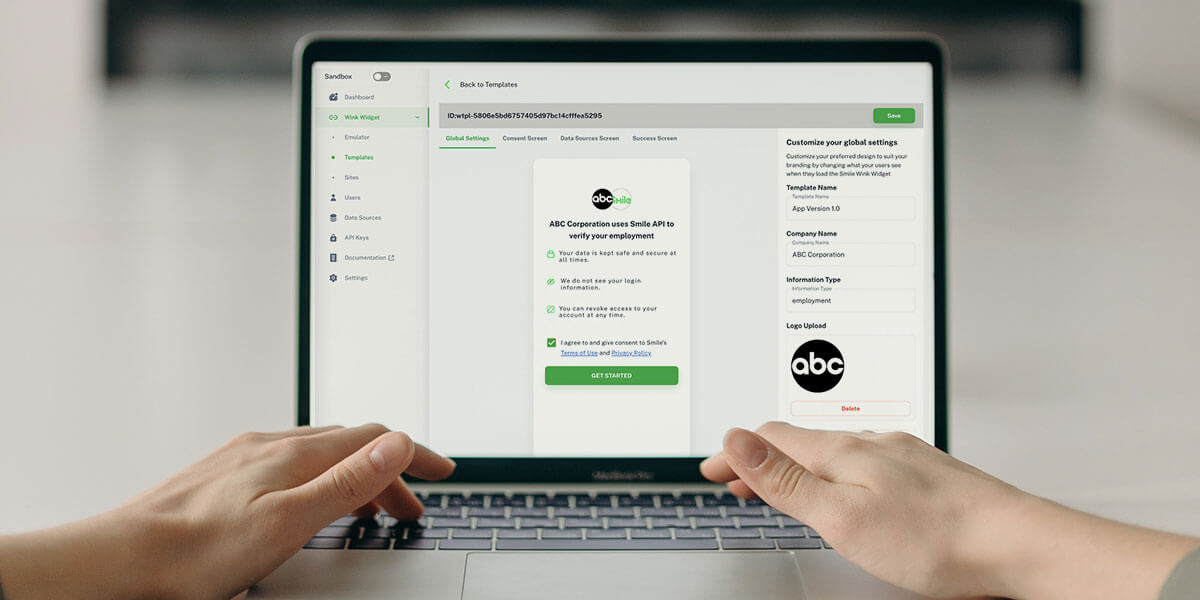
Welcome to our latest blog post showcasing the highlights made by Smile API in the first quarter of 2023! As the most promising provider of secure and accurate data verification, we are thrilled to present our valued customers and partners with an overview of the latest product updates and exciting highlights that have shaped our journey during this period of innovation. Our dedicated team at Smile API has been hard at work, tirelessly pushing boundaries to enhance our platform and deliver an unparalleled experience to both end users and businesses. We continue to be committed to empowering businesses and fostering financial access in 2023. Join us as we dive into the remarkable achievements and advancements achieved in Q1 2023. Wink Widget Customization and Experience Improvements The Smile Wink Widget is what clients' customers see and experience, and we're dedicated to delivering the best performance and experience we can. Continuing with the Wink Widget 2.0 launch last year, we've improved the user experience for various flows in our widget, from document uploads, login assistance, and data source selection. We've continued to ensure users have control over their data by improving document revocation via the widget. We've also launched Wink Widget Templates early this year. - While the Wink Widget is customizable according to your business needs, launching a new user flow or adding new data sources have always required a full release to roll out to your customers. With Wink Widget Templates, you can manage all Wink Widget UI settings via the Developer Portal on the fly. No need for lengthy release processes if you need to change how your Wink Widget behaves - simply change it within the Developer Portal. You can customize many aspects of your user journey, from your company or brand details, data sources, call to action labels, and even which screen your user's consent is recorded. Finally, aside from regular optimization of our backend services to ensure that the widget is snappy and responsive, we've also focused on improving the developer experience for the Wink Widget. We've implemented two new tracking events: onUIEvent enables implementing in-house tracking and additional handling depending on where the user is in the widget user flow, to allow developers to retrieve more insights from user behavior and tailoring application behavior onUploadsRemoved is fired whenever the user revokes uploaded files via the Wink Widget, allowing developers to customize application behavior at this point of the user flow Developers are an important part of the Smile ecosystem, so we've also launched more improvements to help developers and Developer Portal users. Developer Tools and Portal Improvements We've released a slew of incremental improvements on the Developer Portal and other technical resources. Finding the correct data points you need is easier within our Data Sources section, even for documents and archives uploaded by your users. Managing and viewing archives and documents shared by users is even better, allowing developer portal users a better view of the data they have access to from the Data Sources page. The data points from these archives are also accurately represented in the Data Sources page to ensure developers have all the information they need to quickly integrate and implement. - To help with data handling, we've also added a new metadata field for a
- April 10, 2023
- April 10, 2023

- April 3, 2023
- April 3, 2023
Why API-based employment verification is a must-have for modern HR departments
Photo by cottonbro studio: https://www.pexels.com/photo/person-in-white-long-sleeve-shirt-holding-a-clipboard-with-resume-5989933/ Hiring the right candidate for a job is crucial for any organization's success. One of the essential steps in the hiring process is employment verification, where HR departments check a candidate's employment history to ensure accuracy and compliance with regulations. However, the traditionally manual process of employment verification can be a time-consuming and error-prone task for HR departments. In today's fast-paced business world, it's essential for HR departments to leverage technology to streamline their processes and improve accuracy. In this article, we'll explore the advantages of API-based verification and how it can benefit companies in reducing the risk of bad hires and legal complications while saving time and money in the recruitment process. The Traditional Verification Process The traditional employment verification process involves manual background checks to confirm a candidate's employment history. The process usually involves HR departments contacting previous employers to confirm a candidate's job title, dates of employment, salary, and reasons for leaving. These checks are crucial to ensure that the candidate's resume accurately represents their work experience and qualifications. However, the traditional manual verification process can be time-consuming and challenging for HR departments, especially when dealing with high volumes of job applications. The process involves coordinating with multiple parties, such as previous employers and candidates, which can lead to delays and errors. Moreover, relying on human memory and record-keeping can result in inaccuracies in employment history, which can lead to bad hires. The traditional verification process can also be a challenge for companies that want to ensure they're hiring the right candidate. Relying on manual verification can lead to delays, inaccuracies, and a lack of complete information about a candidate's employment history. This, in turn, can increase the risk of bad hires, which can result in costly legal and financial consequences for companies. Therefore, HR departments must find a way to streamline their verification process and reduce the risk of errors and delays. The Advantages of API-based Employment Verification API-based employment verification offers several advantages over the traditional manual process. APIs (Application Programming Interfaces) are software tools that allow different applications to communicate and share data with each other. With API-based verification, HR departments can automate the employment verification process and access real-time information on a candidate's employment history. Here are some of the key benefits: Increased accuracy: API-based verification uses secure and standardized protocols to access employment data, reducing the risk of errors and omissions in employment history. Time and cost savings: Automated verification eliminates the need for HR departments to manually contact previous employers, reducing the time and resources required for verification. Compliance with employment regulations: Automated verification ensures that HR departments follow correct procedures and maintain accurate employment records, reducing the risk of legal and financial consequences for companies. Reduced risk of bad hire
- April 3, 2023
- April 3, 2023