

- March 5, 2025
- March 5, 2025
Why Doing Background Checks When Hiring Freelancers is Essential
In today's dynamic work environment, more and more companies are turning to freelancers and contractors to fill skill gaps and manage fluctuating workloads. This flexible approach offers numerous benefits, but it also introduces potential risks. Risk mitigation is paramount when engaging independent workers, and one of the most effective ways to protect your business is by conducting thorough background checks. Verifying a freelancer's credentials is not just a good practice; it's essential for ensuring a secure and productive working relationship. The Importance of Background Checks for Freelancers and Contractors Hiring freelancers and contractors without proper vetting can expose your company to a range of potential issues, including: Security breaches: A freelancer with a history of dishonesty could compromise sensitive company data or intellectual property. Financial fraud: Without verifying financial history, you might unknowingly engage someone with a history of financial mismanagement, potentially putting your company’s finances at risk. Reputational damage: A freelancer who delivers substandard work or engages in unethical behavior can tarnish your company's reputation. Legal liabilities: If a freelancer engages in illegal activity while working for your company, you could be held liable. Project delays and cost overruns: Hiring a freelancer who misrepresents their skills or experience can lead to project delays, rework, and increased costs. What a Background Check Can Reveal A comprehensive background check for freelancers can provide valuable insights into their credibility and suitability for the job. Key areas a background check can cover include: Identity verification: Confirming the freelancer's true identity helps prevent identity theft and ensures you're working with the person you intended to hire. Employment history verification: This verifies the accuracy of the information provided on the freelancer’s resume and confirms their claimed work experience. Education verification: For roles requiring specific qualifications, verifying educational credentials is crucial. Criminal background check: This helps identify any past criminal activity that could pose a risk to your company. Credit history check: For freelancers handling financial matters, a credit check can reveal potential financial instability or irresponsibility. Reference checks: Speaking to previous clients or employers can offer valuable insights into the freelancer's work ethic, skills, and reliability. On-Demand Background Checks: A Practical Solution Traditional background checks can be time-consuming and cumbersome. On-demand background checks offer a much more efficient and streamlined approach, particularly for freelancer verification. These checks can be initiated quickly and provide results within a short timeframe, allowing you to make informed hiring decisions faster. Benefits of On-Demand Background Checks for Freelancer Verification: Speed and efficiency: Get results quickly, enabling faster hiring decisions and project kick-offs. Cost-effectiveness: Pay only for the specific checks you need, making it a more budget-friendly option. Improved security: Protect your company from potential risks associated with hiring unvetted freelancers. Enhanced compliance: Ensure compliance with industry regulations and legal requirements. Better candi
- March 5, 2025
- March 5, 2025

- March 3, 2025
- March 3, 2025
Revolutionizing Recruitment: How Smile Checks' AI Technology Is Transforming Background Screening
The recruitment landscape is undergoing a seismic shift, driven by the innovative power of AI. Background checks, a crucial component of the hiring process, are becoming faster, more efficient, and more accurate thanks to the integration of artificial intelligence. This article explores how AI-powered solutions, like those offered by Smile Checks, are streamlining background screening and revolutionizing the way organizations hire. The Challenges of Traditional Background Checks Traditional background checks are often a time-consuming, labor-intensive process. They involve manual verification of information, communication with multiple sources, and navigating complex regulations. These challenges can lead to: Delays in Hiring: Lengthy background checks can prolong the hiring process, leading to lost candidates and increased time-to-fill. Inconsistent Results: Manual processes are prone to human error, potentially resulting in inaccurate or incomplete background checks. High Costs: The administrative burden of traditional background checks can significantly impact an organization's budget. Compliance Risks: Navigating the complex web of regulations surrounding background checks can be challenging, increasing the risk of non-compliance. How AI is Streamlining Background Screening AI is transforming background checks by automating tasks, improving accuracy, and reducing turnaround times. Here's how: Automated Data Collection and Verification: AI agents can quickly gather information from various sources, including databases, public records, and educational institutions. Machine learning algorithms then verify the accuracy and consistency of the data, minimizing the risk of human error. Enhanced Speed and Efficiency: AI-powered solutions can process background checks significantly faster than traditional methods, accelerating the hiring process and improving the candidate experience. Improved Accuracy and Compliance: AI algorithms are designed to adhere to legal requirements and industry best practices, ensuring compliance and reducing the risk of errors. Reduced Costs: Automation minimizes the need for manual intervention, reducing administrative costs and freeing up HR professionals to focus on strategic tasks. Better Candidate Experience: A streamlined background check process provides a more positive experience for candidates, enhancing their perception of the organization. (Yes, Smile API can streamline background checks by providing real-time access to verified employment and income data through a unified API. This simplifies the verification process, reduces operational costs, and enhances decision-making efficiency, allowing organizations to conduct thorough and accurate background checks quickly and effectively.) The Benefits of AI-Powered Background Screening for Businesses The advantages of incorporating AI into background checks extend beyond efficiency and cost savings. AI hiring solutions empower businesses to: Make Data-Driven Hiring Decisions: AI provides access to comprehensive, verified information, enabling more informed hiring decisions. Improve Quality of Hire: By streamlining the screening process, organizations can attract and secure top talent more quickly. Enhance Security and Reduce Risk: AI helps mitigate the risk of negligent hiring by ensuring thorough and accurate background checks. Scale Hiring Efforts: AI-p
- March 3, 2025
- March 3, 2025

- February 19, 2025
- February 19, 2025
The Future of Background Checks: Streamlining the Hiring Process for HR Practitioners
In today's fast-paced job market, HR practitioners are constantly seeking ways to enhance their recruitment processes. One of the most critical yet time-consuming aspects of hiring is the background check. Traditional background verification methods can take weeks, delaying the hiring of top candidates and impacting overall productivity. This article will explore the transformative solution offered by advanced background check platforms, focusing on three key points: the importance of speed in recruitment, the advantages of automated checks, and the significance of candidate consent. The Importance of Speed in Recruitment In the competitive landscape of recruitment, time is of the essence. Traditional hiring processes can extend over four weeks, comprising resume reviews, interviews, and background checks. This considerable time frame can result in losing exceptional candidates who might accept offers elsewhere. Swift recruitment not only enhances the chances of securing top talent but also reflects positively on the company’s brand. Delays in background verification can bottleneck the hiring process, thereby diminishing overall organizational effectiveness. Incorporating streamlined background check solutions can significantly minimize these delays, allowing HR teams to make informed hiring decisions rapidly. Advantages of Automated Background Checks One of the standout features of modern background check platforms is their ability to deliver real-time access to critical candidate data. Unlike manual verification methods that can take up to two weeks, automated checks can provide insights into employment history, past income, and criminal records within seconds. This immediacy is not only efficient but also increases the reliability of the information obtained. With instant verification, HR practitioners can dedicate more time to engaging with their candidates rather than getting bogged down in administrative tasks. This leads to a smoother recruitment experience and enhances overall productivity within HR teams. The Significance of Candidate Consent An often-overlooked aspect of background checks is the importance of securing candidate consent. Modern platforms place a strong emphasis on transparency and ethical practices. Candidates authorize their data to be accessed, ensuring compliance with legal and ethical standards. This approach not only builds trust between candidates and employers but also reinforces the organization's commitment to responsible hiring practices. By utilizing a candidate-centric model, HR practitioners can foster a positive recruitment experience, further enhancing their company’s reputation in the job market. In conclusion, as the landscape of recruitment evolves, the tools and processes used to vet candidates must also adapt. Emphasizing speed, automation, and candidate consent can significantly streamline the hiring process for HR practitioners. By embracing these modern solutions, organizations can enhance their recruitment strategies, attract top talent, and efficiently integrate new hires into the workforce. For those looking to improve their hiring practices, leveraging innovative background check platforms is a step in the right direction.
- February 19, 2025
- February 19, 2025

- January 21, 2025
- January 21, 2025
Revolutionizing Lending: AI, Alternative Credit Data and Fintech Trends for 2025
Revolutionizing Lending: AI, Alternative Credit Data and Fintech Trends for 2025 The fintech landscape is rapidly evolving, driven by advancements in artificial intelligence (AI) and the increasing use of alternative credit data. These technologies are poised to revolutionize lending practices by 2025, enabling more accurate credit assessments, expanding access to credit, and streamlining the lending process. This article will explore the key trends shaping the future of lending and how AI and alternative data are playing a pivotal role. AI in Credit Scoring: A New Era of Accuracy Traditional credit scoring models often rely on limited historical data, which can exclude a significant portion of the population, particularly those with thin or no credit files. AI, specifically machine learning, is transforming credit scoring by leveraging vast datasets and sophisticated algorithms to assess creditworthiness more comprehensively. Enhanced Predictive Power: Machine learning algorithms can analyze diverse data points, including spending patterns, payment history for utilities and subscriptions, and even social media activity (where permitted and ethically sourced) to predict credit risk with greater accuracy. Financial Inclusion: AI-powered models can provide credit scores for individuals who were previously excluded from the traditional credit system, opening up access to financial products and services. Reduced Bias: By relying on data-driven insights, AI can help mitigate human biases that may exist in traditional lending practices, leading to fairer and more equitable lending decisions. Alternative Credit Data: Painting a Fuller Picture Alternative credit data refers to non-traditional data sources used to assess creditworthiness. These sources can provide valuable insights into a borrower's financial behavior and ability to repay loans. Expanding the Data Pool: Alternative data sources encompass a wide range of information, including employment history, income verification, educational background, and even online shopping behavior. Improved Risk Assessment: Combining alternative credit data with traditional credit information provides a more holistic view of a borrower's financial profile, enabling lenders to make more informed lending decisions. Addressing Thin-File Challenges: For individuals with limited credit history, alternative data can fill the gaps and provide a basis for credit assessment, facilitating access to credit. (As an aside, Smile API provides real-time, user-authorized access to verified employment and income data, which can significantly enhance AI-driven credit scoring models by incorporating alternative credit data. As trends for 2025 evolve, leveraging such comprehensive data will enable lenders to make more informed credit decisions, particularly for individuals with limited credit history, thereby expanding access to credit for underserved markets. Our service not only improves the accuracy of credit assessments but also aligns with the growing demand for innovative, data-driven solutions in the financial sector.) Fintech Trends for 2025: Reshaping the Lending Landscape The convergence of AI, alternative credit data, and other technological advancements is driving significant changes in the fintech lending space. Hyper-Personalization: Lenders are using AI to tailor loan products and interest rates to individual borrowe
- January 21, 2025
- January 21, 2025
- December 5, 2024
- December 5, 2024
Making Credit Accessible: Smile's Innovative Approach to Financial Services in Southeast Asia
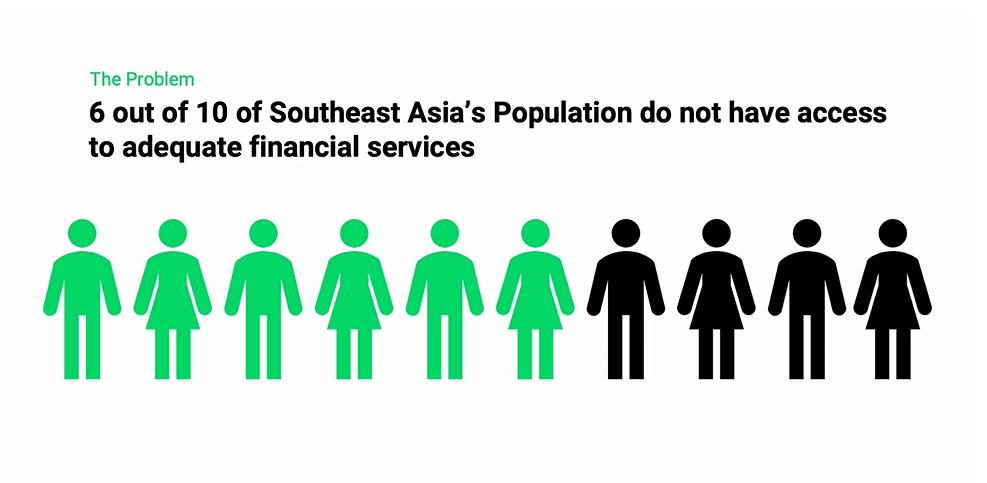
Making Credit Accessible: Smile's Innovative Approach to Financial Services in Southeast Asia Financial Inclusion Challenges in Southeast Asia Financial inclusion remains a significant challenge in Southeast Asia, with many individuals lacking access to adequate financial services. In the Philippines, for instance, only around 35% of adults have a formal banking account. This low financial inclusion rate hinders economic growth and perpetuates poverty. Limited access to credit is a major barrier to financial inclusion. Traditional credit assessment processes often rely on rigid requirements such as proof of income and collateral, which exclude a large segment of the population. Smile's Solution: Streamlining the Credit Application Process Smile API addresses these challenges by streamlining the credit application process through consumer-permissioned data from various sources. Our platform reduces the need for cumbersome paperwork and includes features like Wink Widget and Smile Snap API, which facilitate easy and secure data sharing for identity and credit verification. By reducing the time and cost of processing credit applications while minimizing risk, Smile API benefits both consumers and financial service providers. How Smile API Works Smile API leverages automation and alternative data sources to assess creditworthiness. Our platform integrates with multiple data providers, including banks, telcos, and merchants, to access a comprehensive view of the applicant's identity, employment history, and other relevant information. The use of alternative data sources allows Smile API to assess creditworthiness more accurately and efficiently than traditional methods. This opens up access to credit for individuals who may have been previously excluded. Benefits of Using Smile API For consumers, Smile API offers: Faster and easier credit application: Simplified application process with reduced paperwork and faster approval times. Improved financial inclusion: Access to credit for those who may not qualify through traditional methods. Lower cost of borrowing: Reduced interest rates and fees made possible by reduced risk assessment costs. For financial service providers, Smile API provides: Increased efficiency: Automated credit assessment process that saves time and reduces operational costs. Enhanced risk assessment: Improved ability to assess creditworthiness, reducing defaults and losses. Expanded customer base: Access to a broader pool of potential borrowers, including those previously underserved. Key Takeaways Financial inclusion is a critical issue in Southeast Asia, particularly in the Philippines. Traditional credit assessment processes exclude a large segment of the population. Smile API streamlines the credit application process through consumer-permissioned data and alternative data sources. Smile API benefits both consumers and financial service providers by reducing time, cost, and risk associated with credit assessment. Smile API is an innovative solution that promotes financial inclusion and economic growth. Visit the Smile API website or follow our blog to find out more about how Smile API is revolutionizing financial inclusion in Southeast Asia. To find out mo
- December 5, 2024
- December 5, 2024

- November 10, 2024
- November 10, 2024
Everything you Wanted to Know about Automated Loan Underwriting
Automated loan underwriting is a game-changer in the lending industry. It uses advanced technology to streamline and accelerate the loan approval process, making it faster, more efficient, and more accurate. In this comprehensive guide, we'll delve into the world of automated loan underwriting, exploring its benefits, challenges, and the role of technology in revolutionizing the lending landscape. What is Automated Loan Underwriting? Automated loan underwriting is the use of software to assess a borrower's creditworthiness and determine their eligibility for a loan. Traditional underwriting processes rely heavily on manual labor, which can be time-consuming and prone to errors. Automated loan underwriting systems leverage advanced algorithms and machine learning to analyze vast amounts of data quickly and objectively, providing lenders with a comprehensive assessment of the borrower's risk profile. How Automated Loan Underwriting Works Automated loan underwriting systems typically follow a structured process: Data Collection: The system collects data from various sources, including credit reports, financial statements, and employment history. Credit Risk Modeling: The collected data is analyzed using credit risk models that assess the borrower's creditworthiness based on factors such as payment history, debt-to-income ratio, and credit score. Decision-Making: The system generates an underwriting decision based on the results of the credit risk modeling. The decision can be to approve or deny the loan, or to request additional information. Benefits of Automated Loan Underwriting Automated loan underwriting offers numerous benefits to lenders and borrowers alike: For Lenders: Faster processing: Automated systems can reduce processing times from weeks to minutes or even seconds. Enhanced accuracy: Algorithms and machine learning models minimize human error and improve the accuracy of underwriting decisions. Reduced operating costs: Automation eliminates the need for manual data entry and review, saving lenders significant time and resources. Improved compliance: Automated systems ensure consistent and unbiased underwriting practices, reducing the risk of compliance violations. For Borrowers: Quicker loan decisions: Automated underwriting speeds up the approval process, providing borrowers with a faster response time. Improved transparency: Borrowers have access to a detailed explanation of the underwriting decision, enhancing their understanding of the loan process. Increased access to credit: Automated systems can evaluate a wider range of data, including alternative data sources, which can help underwrite borrowers who may not qualify for traditional loans. Challenges of Automated Loan Underwriting Despite its benefits, automated loan underwriting also presents some challenges: Data accuracy: The quality of the data used in automated systems is crucial. Inaccurate or incomplete data can lead to biased underwriting decisions. Model bias: Credit risk models can be biased if they are not developed with a representative sample of the population. This can lead to unfair lending practices. Blac
- November 10, 2024
- November 10, 2024