

- April 5, 2024
- April 5, 2024
What is a Credit Score and How to Get Yours in the Philippines
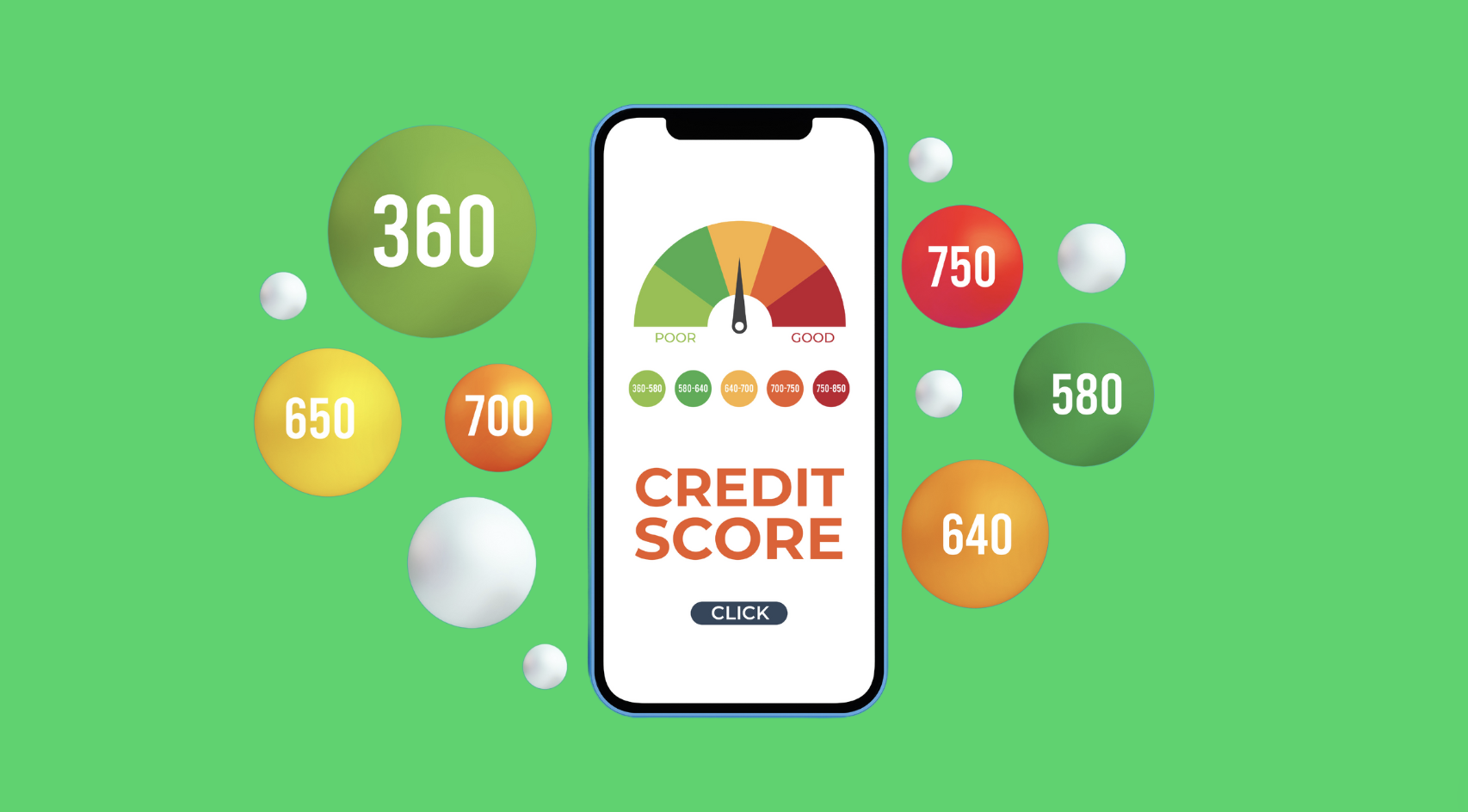
What is a credit score? A credit score is a number that lenders use to assess your creditworthiness. It is based on your credit history, which includes factors such as your payment history, the amount of debt you have, and the length of your credit history. Your credit score and credit ratings indicate how likely you are to repay a loan, making it a critical factor in getting approved for loans, credit cards, and other financial products. How to get a credit score in the Philippines There are two credit bureaus in the Philippines that provide credit scores: the Credit Information Corporation (CIC) and the TransUnion Credit Bureau. Here is a guide to getting your credit score from these bureaus: Credit Information Corporation (CIC) Go to the CIC website. Click on the "Get Your Credit Report" tab. Create an account and provide your personal information. Pay the fee of Php 250. You will receive your credit report within three days after you pay the fee. TransUnion Credit Bureau Go to the TransUnion website. Click on the "Credit Report" tab. Create an account and provide your personal information. Pay the fee of Php 500. You will receive your credit report within seven days after you pay the fee. How to improve your credit score - If you have a low credit score, there are steps you can take to improve it. Here are some tips: Pay your bills on time, every time. This is the most important factor in determining your credit score. Keep your debt-to-income ratio low. This means that you should not have too much debt compared to your income. Don't open too many new credit accounts in a short period of time. This can hurt your credit score. Dispute any errors on your credit report. If there are any errors on your credit report, you should dispute them with the credit bureau. Benefits of a good credit score Having a good credit score can benefit you in many ways. Here are some of the benefits: You can get approved for loans and credit cards more easily. Lenders are more likely to approve you for a loan or credit card if you have a good credit score. You can get better interest rates on loans and credit cards. Lenders offer lower interest rates to borrowers with good credit scores. You can qualify for special discounts and offers. Many companies offer discounts and offers to customers with good credit scores. Conclusion Getting a credit score in the Philippines is easy and quick. By following the steps above, you can get your credit score in no time. If you have a low credit score, there are steps you can take to improve it. By improving your credit score, you can benefit from lower interest rates, better loan terms, and more. Visit our website to find out more, or follow our blog for more content on this topic. Book a call with us to find out more about Smile API and to see how technology can enable more rapid credit decisioning and less risky loan underwriting.
- April 5, 2024
- April 5, 2024

- April 3, 2024
- April 3, 2024
What is Credit Scoring and How can it be Improved?
Navigating the world of credit can often seem complex and intimidating. Your credit score, a three-digit number that signifies your credit health, is a critical aspect of your financial life. Traditional credit data has long been the standard for assessing creditworthiness, but in today's dynamic world, alternative credit data presents a new frontier for those with limited credit histories. Smile API is a pioneering platform offering valuable insights into an individual's financial capabilities through real-time, consent-driven verification of employment and income. Let's dive into understanding the intricacies of credit scores and how Smile API is transforming the lending landscape. What is a Credit Score and Its Significance? A credit score is a numerical expression of your creditworthiness, derived from your credit history. It considers numerous factors, including payment history, credit utilization ratio, the age of credit accounts, and more. A favorable credit score can be your ticket to competitive interest rates and financial opportunities, whereas a poor score could hinder your access to essential financial services. Where does the Credit Score Come From? In the Philippines, a borrower's credit score usually comes from traditional credit reports which is managed by the Credit Information Corporation (CIC), a state-owned entity established under Republic Act No. 9510, also known as the Credit Information System Act (CISA). Partnering with credit bureaus like CIBI, CRIF, and TransUnion, the CIC consolidates data from financial institutions to provide a credit report, which is the input for most credit scores. What the credit bureaus do is to convert the report into a score to aid in faster and more efficient credit decisioning. Credit scoring just involves a statistical analysis of a consumer's credit report to ascertain their creditworthiness. The score is derived from various factors, including: Payment History: Lenders assess the punctuality of previous payments. Credit Utilization Ratio: The level of revolving credit in use is evaluated against total available credit. Length of Credit History: The duration of active credit accounts is considered. New Credit Inquiries: The frequency of credit applications is scrutinized. Credit Mix: The diversity of credit accounts is taken into account. Disadvantages of Traditional Credit Scoring Despite their vital role, these traditional bureaus face challenges. Predominantly, these systems depend heavily on an individual's credit history — a record of their borrowings and repayments over time. This reliance often disadvantages certain groups, notably the unbanked or underbanked individuals, who may not engage in traditional financial activities that would otherwise contribute to a credit trail. As a result, these individuals can find themselves with either a thin credit file or no credit report at all, rendering them virtually invisible to the mechanisms that govern the extension of credit. Additionally, the data used by traditional credit bureaus is inherently retrospective. It provides a snapshot of a person's past behavior but may not accurately capture their current financial health or potential. For instance, someone may have improved their financial habits or experienced a significant positive change in their circumstances, such as a pay raise or a new, stable job. Traditional credit scoring models
- April 3, 2024
- April 3, 2024

- March 8, 2024
- March 8, 2024
Why digital pre-employment screening is Critical for BPOs
The process of recruitment and selection has become more crucial than ever for companies looking to stay ahead of the game. This is especially true for Business Process Outsourcing (BPO) companies, where the success of their operations heavily relies on the quality and reliability of their employees. As the demand for skilled and qualified candidates continues to rise, BPO companies are facing increasing challenges in identifying the right candidates who possess the necessary skills, experience, and cultural fit for their organization. In order to mitigate these challenges, BPOs are turning towards digital pre-employment screening as a critical tool in their hiring process. This cutting-edge technology not only streamlines and expedites the screening process, but also provides valuable insights and data to make informed hiring decisions. In this article, we will delve into the importance of digital pre-employment screening for BPOs, and how it can help them build a strong and successful workforce. Mitigate risks with thorough screening An essential aspect of ensuring the success and security of a BPO (Business Process Outsourcing) operation is to mitigate risks through thorough screening of potential employees. In an industry where companies handle sensitive data, financial transactions, and customer information, it is crucial to establish a robust screening process that goes beyond traditional methods. By implementing digital pre-employment screening, BPOs can significantly reduce the chances of hiring individuals with fraudulent intentions or questionable backgrounds. Such screening enables the verification of credentials, employment history, references, and even criminal records, providing a comprehensive assessment of an applicant's suitability for a role. Furthermore, digital screening platforms offer the advantage of increased efficiency and accuracy, streamlining the hiring process and allowing BPOs to make well-informed decisions that align with their security objectives. By prioritizing thorough screening, BPOs can proactively safeguard their operations and reputation while fostering a secure and trustworthy work environment for both clients and employees. Streamline hiring process with technology In today's fast-paced business environment, BPOs (Business Process Outsourcing) must continually find ways to optimize their operations and stay ahead of the competition. One area where technology can play a crucial role is in streamlining the hiring process. By leveraging digital solutions, BPOs can automate and expedite various stages of recruitment, from candidate sourcing to assessment and onboarding. With the help of applicant tracking systems, companies can efficiently manage and track applicant data, ensuring a more organized and efficient hiring process. Additionally, video interviewing platforms enable remote interviews, saving time and resources while still allowing hiring managers to assess candidates effectively. By embracing technology in the hiring process, BPOs can improve their overall efficiency, reduce costs, and attract top talent to drive their success in the industry. Verify credentials for top candidates To ensure the quality and reliability of their workforce, BPOs must prioritize verifying the credentials of top candidates. This is essential to maintain a high level of trust and protect the reputation of the organization. Digital pre-e
- March 8, 2024
- March 8, 2024
- March 1, 2024
- March 1, 2024
Top 5 Alternatives to Traditional Credit Scoring Models
Traditional credit scoring models have been the go-to method for lenders to assess risk and make lending decisions. However, these models have some major limitations, especially when it comes to serving thin-file consumers with little to no credit history. In the Philippines, only around 20-30% of the adult population have sufficient credit information to generate a credit score. This results in a massive unserved segment that traditional models fail to evaluate properly. To expand access to credit and make better risk decisions, lenders need to look beyond traditional scoring and adopt alternative data sources. In this blog, we explore the top 5 alternative credit scoring models that leading lenders are using today. Limitations of Traditional Credit Scoring Traditional credit scoring relies solely on historical repayment behavior and credit bureau data to generate a credit score. This works well for consumers with a lengthy credit history. But those without existing loans or credit cards fall into a "thin file" segment that cannot be assessed properly. Some key limitations of traditional credit scoring models include: Need for historical credit usage - not feasible for first time borrowers Narrow focus on credit bureau data No insight into true income or payment capacity High rejection rates for thin file consumers Lag in score updates - only reflects historical behavior These drawbacks mean traditional scores fail to provide a complete risk profile, especially for thin file consumers like the unbanked, gig economy workers, and those without extensive bureaucracy records. The Rise of Alternative Credit Scoring To address these gaps, lenders are adopting alternative data sources that can evaluate a consumer's creditworthiness even without traditional credit history. Some fast emerging alternative credit scoring models include: Payroll Data Underwriting Payroll details directly reflect a person's income streams and payment capacity. Earned Wage Access providers like Savii allow lenders to verify employment and income data via API for thin file applicants. Using payroll data enables more accurate assessment of debt-to-income ratios. It also provides stability indicators like length of employment and frequency of pay. Telco, Utility Payment Tracking Timely utility and bill payments demonstrate financial responsibility even without formal credit history. Finscore, as an example, collects such alternative data and provide insights into telco usage and payment patterns not found in credit reports. It enables lending to consumers with limited bureau footprints. Bank Account Activity Analysis Analyzing income streams and spending patterns from bank account data provides a detailed view of an applicant's cash flows. This allows more accurate predictions of repayment ability, especially for gig economy and self-employed segments with variable incomes. An example of a company doing this is Brankas. Employment History Verification Longer tenures and more stable employment indicate lower income volatility risks. Verifying employment history through APIs like Smile provides income stability estimates for thin file consumers. Social Media and Online Footprint Scoring Alternative scores from startups
- March 1, 2024
- March 1, 2024

- February 18, 2024
- February 18, 2024
A Guide to Automated Loan Underwriting for Philippine Lenders
Manual and fragmented loan underwriting processes are becoming outdated in the digital era. Automating underwriting using data, algorithms and APIs is proving to be a game changer for lenders. In this guide, we explore how Philippine lenders can implement automated underwriting to make faster, better credit decisions while reducing costs. Why Automate Underwriting? Here are some major benefits automated underwriting offers: Faster Application Processing Manual underwriting can take weeks, with extensive document verification and risk assessment delays. Automated systems slash turnaround times through instant data access and algorithmic approvals. Improved Risk Modeling Traditional scorecards are static and rely on limited variables. Automated underwriting allows dynamic risk models that can continuously improve over time. More data also enables better default predictions. Lower Operational Costs Manual underwriting requires extensive staffing. Automation cuts overheads through fewer document checks, reduced human errors and streamlined workflows. Expanded Lending Reach Traditional underwriting leaves thin-file segments underserved due to lack of bureau history. But alternative data allows assessment of gig workers, new-to-credit applicants and more. Enhanced Borrower Experience Manual underwriting often involves extensive paperwork and waiting. Automated real-time decisions provide a seamless experience for tech-savvy customers. The ROI potential from automated underwriting makes it a must-have capability for lenders today. Machine Learning for Credit Risk At the core of automated underwriting are machine learning algorithms that can predict default risk and income volatility. Machine learning models leverage large datasets to identify complex patterns between hundreds of variables. This allows more accurate credit decisions for both traditional and alternative applicant profiles. For instance, neural networks can detect non-linear relationships and interdependencies between various attributes. This results in robust credit risk classification for thin-file consumers with minimal bureau history. With automated underwriting, risk models continuously self-improve driven by the underlying algorithms. This creates a true competitive edge that keeps growing over time. The Power of APIs and Real-Time Data - Automating underwriting requires seamless connectivity to multiple data sources from credit bureaus to government agencies. Open APIs allow platforms to share information instantly based on user permissions. This removes friction and delays involved in manual data gathering. Employment data APIs like Smile enable direct integration of payroll, tax and workforce data into underwriting engines. This provides real-time income verification capabilities missing in traditional systems. As machine learning models become more sophisticated, the need for real-time, high-quality data increases. APIs are the enablers that allow underwriting automation at scale. Reducing Manual Employment Verification Verifying applicant employment history and income is crucial but time consuming in manual underwriting. Automated verification through payroll and workforce data APIs eliminates paperwork and manual diligence. Lenders gain instant access to comprehensive payroll records and tax documents. Applicants also benefit from paperless onboarding. Instant income checks using bank statement data fu
- February 18, 2024
- February 18, 2024
- August 21, 2023
- August 21, 2023
Navigating Data Privacy in Credit Underwriting
Privacy. In today’s increasingly digital world, it’s a paramount concern, especially when it comes to sensitive financial information. Credit underwriting, the process of assessing the creditworthiness of borrowers, relies heavily on data. Balancing the need for accurate credit assessments with the individual’s right to data privacy is crucial, particularly in the rapidly expanding digital lending landscape. This article explores how the Philippines’ Data Privacy Act of 2012 (RA 10173) sets a robust framework for ethical data collection, ensuring responsible credit underwriting and digital lending practices. The Philippines' Data Privacy Act has significantly transformed the landscape of data collection and processing. This legislation mandates the ethical and responsible handling of personal information, impacting various sectors, especially the financial industry. For credit underwriting and digital lending, this means a fundamental shift in how data is collected, used, and protected. Lenders must now prioritize transparency and obtain explicit consent from borrowers before collecting their data. The law also grants individuals specific rights concerning their data, including the right to access, correct, and delete their information. Implementing Best Practices for Data Privacy in Credit Underwriting Adhering to the Data Privacy Act is not merely a matter of legal compliance; it also builds trust with borrowers and fosters a healthier financial ecosystem. Here are some best practices for lenders navigating the requirements of the Act: Transparency and Consent: Lenders must clearly articulate what data is being collected, why it’s needed, and how it will be used. Borrowers must provide explicit consent for the collection and use of their data. Data Minimization: Only collect data that is absolutely necessary for the credit assessment. Avoid collecting extraneous information that is not relevant to the lending decision. Purpose Limitation: Data collected for credit underwriting should only be used for that specific purpose. It should not be repurposed for marketing or other activities without explicit consent. Data Security: Implement robust security measures to protect collected data from unauthorized access, use, disclosure, disruption, modification, or destruction. This includes encryption, access controls, and regular security assessments. Data Retention: Establish clear data retention policies. Data should only be retained for as long as it is necessary for the purpose for which it was collected. Access and Correction: Provide borrowers with access to their data and allow them to correct any inaccuracies. Accountability: Designate a data protection officer responsible for overseeing compliance with the Data Privacy Act. Impact of the Data Privacy Act on Digital Lending in the Philippines The Data Privacy Act has had a profound impact on the digital lending landscape in the Philippines. It has fostered greater transparency and accountability among lenders, leading to improved consumer protection. While the regulations may present some initial challenges for lenders in terms of compliance, the long-term benefits are significant. By adhering to the Act, lenders can build trust with borrowers, enhance their reputation, and contribute to a more sustainable and responsible digital lending ecosystem. The Act has also encouraged innovation by promoti
- August 21, 2023
- August 21, 2023